On 29 September 2026, a range of new and expanded UK sanctions targeting Iran entered into force, following the publication on 8 September 2026 of the Iran (Sanctions) (Amendment) Regulations 2026 (the “Regulations”). The Regulations amend both the Iran (Sanctions) Regulations 2023, which principally address human rights abuses and hostile activity by Iran, and the Iran (Sanctions) (Nuclear) (EU Exit) Regulations 2019, which seek to restrict Iran’s ability to develop nuclear weapons and implement certain…
On 9 June 2026, European Commission President Ursula von der Leyen announced that the European Commission is preparing a 21st sanctions package against Russia, marking a further step in the EU’s ongoing effort to intensify economic pressure following Russia’s continued aggression in Ukraine. The proposed measures focus on high-impact sectors, including energy, financial services (including crypto-assets) and trade restrictions. Key Elements of the Proposed 21st Package Energy and Transport: Expanded Targeting of the Shadow Fleet…
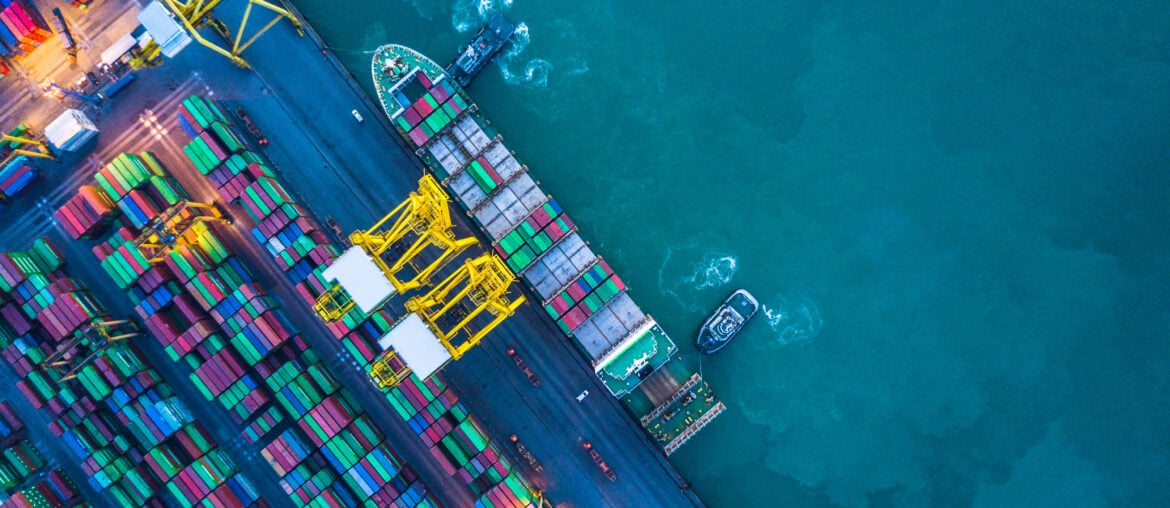
Spain’s Secretaría General de Comercio (General Secretariat for Trade) recently held an informational briefing outlining significant developments in the country’s export control framework. The session addressed both recently implemented measures and upcoming regulatory changes that are expected to reshape the way companies engage with the Spanish licensing system. The briefing also addressed a number of practical issues of relevance to operators, including the treatment of technology transfers in cloud environments and the handling of re-export obligations,…
On 13 March 2026, the European Commission published a new set of Frequently Asked Questions (“FAQs”, accessible here) clarifying the scope and application of EU sanctions restrictions on the provision of payment services under Article 5b(2) of Council Regulation (EU) No 833/2014, as amended (the “EU Russia Sanctions”). Article 5b(2) of the EU Russia Sanctions prohibits the provision of certain payment services to Russian nationals and natural and legal persons, entities and bodies in Russia…