On July 31, 2026, authorities from the United States, Japan, the Republic of Korea, Australia, Canada, France, Germany, Italy, the Netherlands, New Zealand, and the United Kingdom issued a joint alert warning countries, companies, and other entities about the threat posed by information technology (“IT”) workers of the Democratic People’s Republic of Korea (“DPRK” or “North Korea”). According to the alert, North Korea relies on a network of skilled IT workers, deployed both within and…
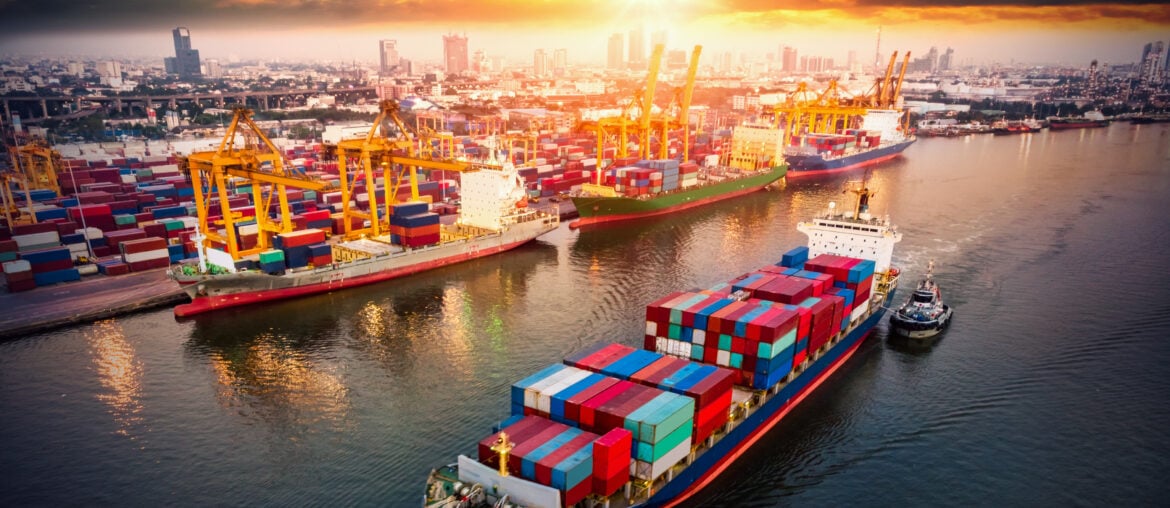
On 23 July 2026, the European Council adopted its 21st package of Russia sanctions as well as additional measures targeting Belarus. The package concentrates on sectors with the greatest impact on Russia’s war economy, including energy, shipping, gold, financial services (including crypto), trade, and the Russian military-industrial complex. Key elements include a full-year suspension of the oil price cap adjustment, a new tool allowing transaction bans on named refineries that process Russian crude (listing one…
On July 8, 2026, the US Department of State announced that President Trump had notified Congress of his administration’s intent to rescind Syria’s designation as a State Sponsor of Terrorism (“SST”). The notification initiates a 45-day period that must elapse before the rescission takes effect. In the accompanying press statement, Secretary of State Marco Rubio said that “[l]ifting sanctions on Syria will unlock international trade and investment, give Syria a chance to rebuild, and open…
On June 4, 2025, the U.S. House of Representatives passed the Ukraine Support Act (H.R. 2913) (the “Act”), a broad measure that would, if enacted, (1) impose new Russia-related sanctions, (2) codify and tighten existing U.S. export controls, (3) impose duties of at least 500% on Russian imports and taxation of blocked assets, and (4) authorize additional Ukraine-related security and reconstruction measures. The bill now moves to the Senate, where its prospects remain uncertain. If…